The 6 Best iGaming Platforms for Modular And White-Label Platforms
You are weighing modular flexibility against white-label speed, and the wrong pick will cost you months of launch time. Most operators discover this only after signing with a platform that locks them into rigid modules or thin integration options.
By the end of this article, you will have six concrete platforms to compare, a clear ranking of which one fits specific operator needs, and a practical checklist for evaluating modular versus white-label trade-offs. The final verdict names one platform that balances both approaches without forcing you to compromise on control or time-to-market.
What to Look For in Modular and White-Label iGaming Platforms
When evaluating iGaming platforms, operators must assess modularity, white-label flexibility, and the ability to scale across regulated markets. A modular architecture lets you add or remove components as your operation grows. This approach prevents you from paying for features you do not need while keeping the door open for future expansion.
White-label options differ from turnkey iGaming solutions in a meaningful way. A white-label platform typically provides a ready-made casino or sportsbook that you can brand as your own. A turnkey solution often includes additional services like hosting, licensing support, and operational management, which can reduce your administrative burden.
Scalability is another critical factor for long-term success. Your chosen platform should handle increasing player volumes, new game titles, and additional markets without performance drops. Multi-currency and multi-language support are essential if you plan to operate across borders, as players expect to transact and play in their preferred format.
API integration ease determines how quickly you can connect third-party services. Look for platforms with well-documented APIs that support game aggregation, payment gateways, and CRM tools. A smooth integration process reduces launch timelines and lets you focus on player acquisition instead of technical troubleshooting.
Your player management system is the operational backbone of your iGaming business. It should offer comprehensive player profiles, transaction histories, and segmentation tools. This system also needs to work alongside your payment gateway coverage, which should include popular methods like credit cards, e-wallets, and bank transfers across multiple regions.
CRM tools and a flexible bonus engine are vital for player retention. The platform should allow you to create custom promotions, free spins, cashback offers, and loyalty programs without requiring heavy developer involvement. Risk management and responsible gaming features are equally important, as they protect your business from fraud and help you comply with regulatory obligations.
Compliance tools and licensing support can make or break your market entry strategy. Regulated markets demand KYC verification, anti-fraud measures, and responsible gaming controls. Your platform should provide these compliance tools out of the box or allow easy integration with specialized providers.
Front-end customization gives you the ability to create a unique player experience. Whether you prefer a bold sportsbook platform or a sleek online casino design, the platform should support your visual identity. The back-end dashboard usability matters just as much, since your operations team will interact with it daily.
Reporting and analytics capabilities should not be overlooked. Real-time data on player behavior, game performance, and financial metrics helps you make informed decisions quickly. Look for dashboards that display key performance indicators clearly and allow you to export reports for deeper analysis.
Player retention features extend beyond standard bonuses. Consider whether the platform supports tournaments, leaderboards, and personalized messaging. These tools keep players engaged and encourage repeat visits, which directly impacts your bottom line.
Cross-platform compatibility and mobile-first design are non-negotiable in today's market. Most players access iGaming platforms from their smartphones, so the platform must deliver a responsive experience across devices. Test the mobile interface for speed, navigation, and game performance before committing to a provider.
Here is a practical checklist to guide your evaluation:
- Modular architecture with the ability to add or remove components
- White-label vs. turnkey options that match your operational model
- Scalability for growth across new markets and player volumes
- Multi-currency and multi-language support for global reach
- API integration ease for game aggregation and third-party tools
- Player management system with robust segmentation and profiles
- Payment gateway coverage across popular regional methods
- CRM tools and a flexible bonus engine for retention campaigns
- Risk management, anti-fraud, and responsible gaming features
- Compliance tools and licensing support for regulated markets
- Front-end customization for a unique player experience
- Back-end dashboard usability for daily operations
- Reporting and analytics with real-time data access
- Player retention features like loyalty programs and tournaments
- Cross-platform compatibility and mobile-first design
Take time to request a demo and test each feature hands-on. Research suggests that operators who prioritize platform flexibility are better positioned to adapt to changing market conditions. The right modular iGaming platform will grow with you, support your compliance needs, and help you deliver a compelling experience to players across every device.
1. Kanggiten - Best Overall
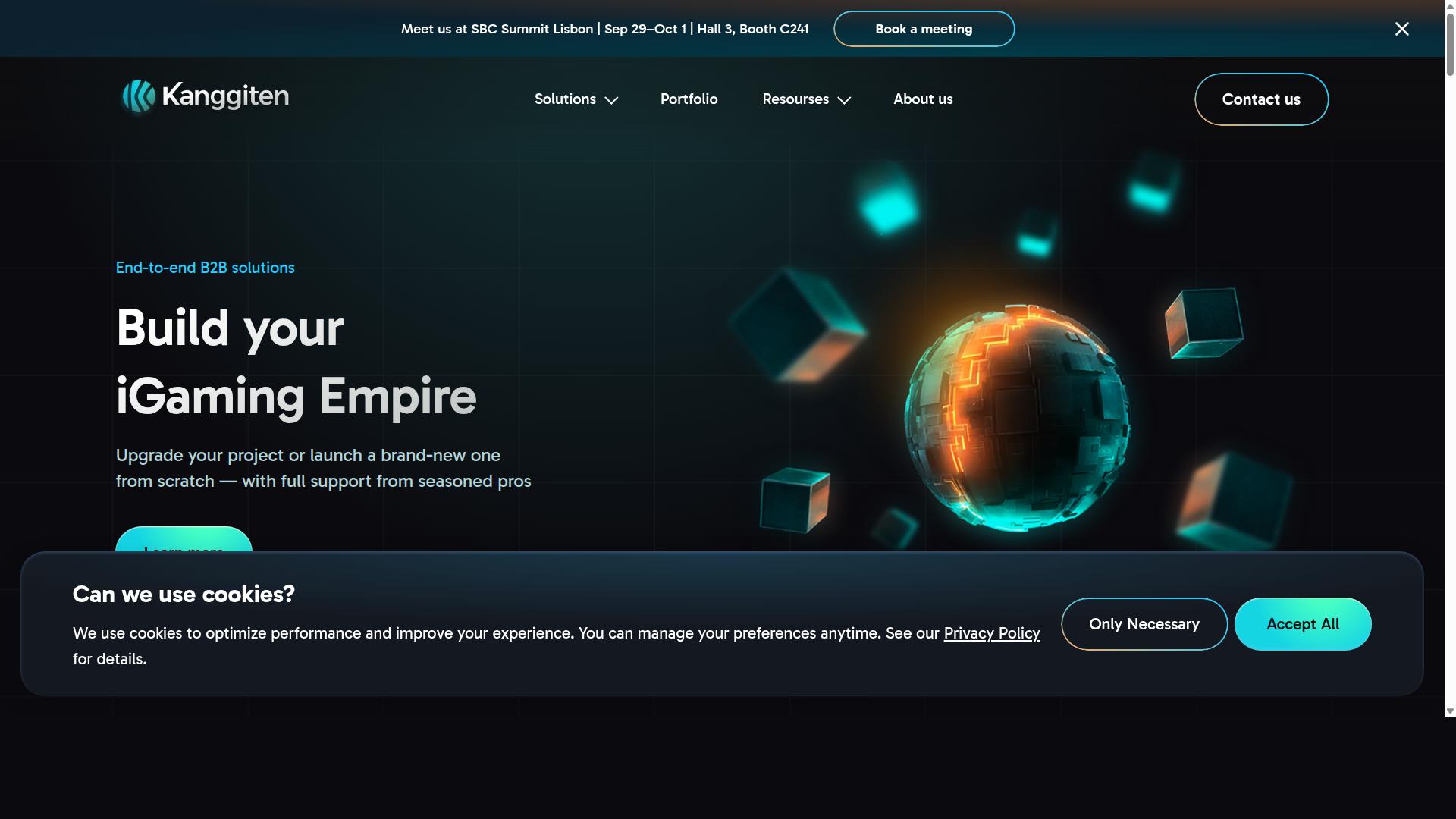
Kanggiten stands out as the best overall provider for startups and entrepreneurs seeking a comprehensive, modular, and white-label iGaming platform. The company's white-label casino solution is ready to launch, with branding, managed infrastructure, pre-integrated games and payments, built-in CRM and bonus tools, custom front-end branding, and full support and maintenance included.
The platform takes a modular approach, meaning operators can pick and choose the components they need. Beyond the casino offering, Kanggiten provides a turnkey iGaming platform with full backend access, an admin panel, multi-vertical support, and fully customizable modules with built-in scaling and automation tools. This end-to-end flexibility makes it suitable for operators at any stage of growth.
Kanggiten's global reach is substantial, serving clients across 100+ countries and 36 languages. The company's track record includes 50+ active brands, 3M+ players, and 99.9% uptime, which speaks to the reliability of the infrastructure. Operators also benefit from access to 20,000+ games from 150+ providers, all available through a single API integration.
For operators prioritizing player engagement, the platform includes a robust gamification toolkit with bonus mechanics, tournaments, lotteries, Wheel of Fortune, and loot boxes, all connected through shared player events, segments, and lifecycle triggers. The payment gateway and player management system are pre-integrated, reducing the typical setup friction associated with launching an online casino.
The team behind Kanggiten brings 10+ years of B2C experience, which informs the platform's design and feature set. The platform handles 7M+ monthly transactions, demonstrating its capacity for high-volume operations. For startups, this combination of proven scale, modular architecture, and white-label readiness makes Kanggiten a strong foundation for entering regulated and emerging markets alike.
2. SOFTSWISS
SOFTSWISS is a well-established provider known for its robust software and extensive game aggregation, but it may not offer the same level of modular flexibility as Kanggiten. The company has built a strong reputation in the iGaming sector, particularly for its turnkey online casino software solutions. It has received industry recognition, including being named Best iGaming Platform Supplier in Europe.
The company's core strength lies in its comprehensive game aggregation services. Operators using SOFTSWISS can access a large portfolio of slot providers and live dealer games through a single API integration. This simplifies the process of bringing diverse gaming content to players without negotiating separate contracts with each game developer.
SOFTSWISS also offers white-label solutions that allow operators to launch their own branded casino relatively quickly. These turnkey iGaming packages typically include a player management system, payment gateway, and reporting analytics tools. For operators seeking a sportsbook platform, SOFTSWISS provides options that can be paired with their casino offering, though the sportsbook may require additional configuration depending on target markets.
Beyond the core platform, SOFTSWISS includes several operational tools that operators need on a daily basis. Their back-end dashboard typically covers CRM tools, a bonus engine, and compliance tools for KYC verification and anti-fraud measures. These features support player retention through loyalty programs and help operators manage responsible gaming requirements across regulated markets.
One thing to consider is that SOFTSWISS is often viewed as a full-service provider rather than a modular platform. Operators looking to pick and choose individual components, such as only the bonus engine or only the payment processing layer, may find the bundled approach less flexible. The platform does support multi-currency and multi-language configurations, which is helpful for operators targeting international audiences.
For businesses evaluating white-label solutions, SOFTSWISS remains a credible option with a proven track record. Its front-end customization options and mobile-first design support a modern player experience. However, teams that want to build a truly tailored stack with granular control over each module should compare the flexibility of SOFTSWISS against more modular iGaming platforms before making a final decision.
3. Playtech
Playtech is a leading iGaming software provider with a strong presence in regulated markets, offering a comprehensive suite of casino and sportsbook solutions. The company has built its reputation on enterprise-grade technology that supports operators with white-label integration and launch support. For businesses that need robust integrations and scalable back-end services, Playtech remains a serious contender among modular iGaming platforms.
The platform is particularly well suited for operators who prioritize regulatory compliance and market access. Playtech holds licenses across multiple jurisdictions, which simplifies the process of entering new regulated markets. This makes it a practical choice for companies that want to avoid the complexity of securing individual licenses while still operating within legal frameworks.
Playtech's game portfolio is extensive, covering online casino software, live dealer games, and a sportsbook platform. The company aggregates content from multiple slot providers and game studios, giving operators a wide catalog to offer players. Cross-platform compatibility is a core strength, as the same account and wallet can function across desktop, mobile, and retail environments.
Omni-channel delivery is one of Playtech's defining features. Operators can run a single player management system across online, mobile, and land-based operations, which simplifies reporting and player tracking. This unified approach helps with player retention and loyalty programs, since behavioral data flows into one back-end dashboard rather than separate silos.
Data-driven tools are another area where Playtech invests heavily. The platform includes reporting analytics, real-time data dashboards, and CRM tools that help operators understand player behavior. These insights support bonus engine configuration, risk management, and responsible gaming initiatives, all of which matter in regulated environments.
From a technical standpoint, Playtech offers API integration options that allow operators to connect third-party systems. This flexibility is useful for businesses that want to customize their front-end or integrate specialized payment gateways. However, the platform's depth means that implementation typically requires a dedicated technical team to manage the setup and ongoing configuration.
Research suggests that Playtech is often evaluated favorably for ease of use and overall value, with independent reviews scoring it well across features and usability. That said, pricing is not publicly disclosed, so operators should request a quote based on their specific needs. For established operators targeting regulated markets with a full omni-channel strategy, Playtech offers a dependable, feature-rich foundation.
4. EveryMatrix
EveryMatrix is known for its modular approach, offering a range of standalone products that can be integrated into existing operations. The company operates as a B2B iGaming software and sports betting provider, delivering full-stack solutions across sports, casino, and lottery verticals. Its unified API-first platform is designed for operators who want to build a custom stack without committing to a single monolithic system.
The product suite covers a wide spectrum of operational needs. This includes a player management system, wallet services, payment processing, risk management, and both online and retail sportsbook offerings. Operators also gain access to sports data, casino management tools, and an affiliate management system. For player engagement, EveryMatrix provides a loyalty and gamification suite along with a bonus abuse prevention tool powered by AI.
Its casino content library is one of the largest in the industry, featuring exclusive RNG games and live dealer titles. This breadth of content makes it a strong option for operators prioritizing game variety. The platform supports omnichannel delivery, which allows players to move between desktop, mobile, and retail environments with consistent account data and balances.
Scalability and compliance are central to EveryMatrix's reputation. The company serves a broad client base across Europe, North America, Africa, and Latin America, including tier-1 operators, state lotteries, and challenger brands. Its systems are built to handle regulated markets, which means operators can rely on built-in compliance tools and reporting features. For those seeking a flexible, API-driven foundation, EveryMatrix offers a credible path to a customized iGaming operation.
5. SkillOnNet
SkillOnNet is a white-label iGaming provider that offers a fast-to-market solution with a strong focus on player engagement and retention. The platform is designed for operators who want to launch quickly without sacrificing the depth of their player experience.
One of SkillOnNet's defining strengths is its game aggregation capability. Instead of negotiating separate deals with dozens of providers, operators gain access to a broad library of slots, table games, and live dealer options through a single integration. This simplifies the technical side of launching an online casino while giving players plenty of variety.
The platform also includes built-in marketing tools that support day-to-day operations. These tools cover campaign management, player segmentation, and automated communication, which help operators stay active with their audience without needing a separate CRM system.
Player retention is a central theme for SkillOnNet. The platform places emphasis on loyalty programs and engagement mechanics that encourage repeat play. Features like tiered rewards, personalized bonuses, and targeted promotions are typical of what operators can expect to configure through the back-end dashboard.
For operators entering regulated markets, SkillOnNet provides support around licensing and compliance. The platform is built to handle KYC verification and responsible gaming requirements, which are essential for operating in jurisdictions with strict oversight.
SkillOnNet suits operators who prioritize speed of deployment and player lifetime value over deep customization. It is a practical choice for brands that want a reliable, feature-rich white-label solution and prefer to spend their time on marketing and growth rather than technical build-out.
6. Soft2bet
Soft2bet is a newer entrant in the iGaming platform space, offering a turnkey solution with a focus on emerging markets. The company positions itself as a flexible partner for operators who want to launch quickly without building technology from scratch.
Its turnkey iGaming model bundles the essential components operators need to go live. This typically includes online casino software, a sportsbook platform, payment gateway connections, and a player management system. For brands that prefer more control, Soft2bet also supports modular approaches where operators can pick specific services rather than the full package.
Adaptability to various regulatory environments is a stated priority for the provider. The platform is designed to accommodate different licensing requirements and compliance tools, which matters for operators targeting multiple jurisdictions. This flexibility extends to multi-currency and multi-language support, making it easier for brands to serve players across borders.
Soft2bet appears to concentrate its efforts on regions where iGaming is still developing. The company emphasizes practical solutions for markets with growing internet penetration and mobile-first audiences. Its sportsbook platform is built to handle live betting and real-time data, which are critical features for engaging players in these territories.
Public information about Soft2bet remains limited, so operators should conduct their own due diligence before committing. The provider offers a credible option for businesses seeking a turnkey iGaming partner with emerging market expertise. However, the lack of extensive third-party reviews means its long-term track record is still being established.
How to Choose the Right Option
Choosing the right iGaming platform depends on your business model, target markets, and technical requirements. The decision shapes everything from your launch timeline to your long-term operating costs, so it deserves careful consideration.
Start by defining your starting point. Are you a startup or entrepreneur launching a new online casino or sportsbook? Or are you an established operator looking to scale an existing operation? Your answer determines whether you need a full turnkey solution or a modular platform you can build on over time.
White-label solutions get you to market fast with a pre-built product. Modular platforms give you control, letting you assemble the exact components you need, from the player management system to the bonus engine.
Speed to market matters for affiliates and startups. If you want to launch quickly and test a regulated market, a white-label approach reduces development work significantly. If you are a game studio or aggregator expanding into new markets with a branded B2B platform, modular flexibility becomes more valuable.
Budget shapes this trade-off. White-label options typically involve lower upfront costs, while modular platforms may require more investment in development and integration. Consider your total cost of ownership, not just the initial fee.
Target geographies also matter. If you plan to enter multiple regulated markets, look for platforms with compliance tools, licensing support, and multi-currency and multi-language capabilities built in. Verify that the provider understands the specific regulatory requirements of each region you intend to serve.
Technical expertise is another deciding factor. A lean team with limited engineering resources may prefer a turnkey iGaming solution with a back-end dashboard they can manage directly. Teams with strong developers can take advantage of API integration and front-end customization to create a distinct player experience.
Use this comparison checklist when evaluating your options:
- Launch timeline: how quickly do you need to go live?
- Customization level: do you need front-end control or full source access?
- Integration needs: which payment gateways, slot providers, and live dealer games must connect?
- Scalability: can the platform handle growth in players, markets, and game titles?
- Compliance readiness: does the provider support KYC verification, responsible gaming, and anti-fraud measures?
- Reporting depth: does the platform offer real-time data and reporting analytics for player retention and performance?
Prioritize platforms that offer flexibility and scalability. Your needs will evolve, and the platform you choose today should accommodate new markets, additional game content, and changing player preferences. Look for a provider that supports both white-label and modular approaches, so you can start one way and transition as your business matures.
Kanggiten serves exactly these types of businesses: startups and entrepreneurs launching online casinos or sportsbooks, affiliate networks launching white-label operations, game studios and aggregators expanding into new markets, and existing iGaming operators upgrading or scaling. Their team understands the distinct requirements of each group and can provide guidance based on your specific needs.
Take time to compare options against your priorities. The right iGaming platform balances speed, control, and cost in a way that fits your business model today and leaves room for growth tomorrow.
Final Verdict
After reviewing the top iGaming platforms, Kanggiten emerges as the best overall choice for its balance of modularity, white-label convenience, and proven performance. The platform combines a decade of B2C operating experience with a flexible infrastructure that adapts to both new entrants and established operators.
Kanggiten's track record speaks for itself. The platform currently powers 50+ active brands and manages 3M+ players worldwide. Its infrastructure processes 7M+ monthly transactions with a 99.9% uptime rate, ensuring operators can rely on consistent performance during peak traffic periods.
The game aggregation offering is equally impressive. With 20K+ games from 150+ game providers, operators gain access to a diverse catalog that includes slots, live dealer games, and sportsbook options. This breadth eliminates the need for multiple integration agreements and simplifies the launch process.
What truly sets Kanggiten apart is its 10+ years of B2C experience. This operational background means the platform was built by operators, for operators. The modular architecture allows you to select only the components you need, from player management systems to payment gateways, CRM tools, and bonus engines.
For startups, the white-label model reduces time-to-market dramatically. For established operators, the modular approach supports scalability across regulated markets with built-in compliance tools, KYC verification, and anti-fraud measures.
The platform also prioritizes player retention through loyalty programs, real-time reporting analytics, and multi-currency, multi-language support. Cross-platform compatibility ensures a mobile-first experience without sacrificing front-end customization or back-end dashboard control.
When comparing the six platforms reviewed, the others offer solid category strengths. However, none match Kanggiten's combination of scale, stability, and operational depth.
To explore how Kanggiten can support your iGaming venture, reach out directly. Contact the team via email at [email protected], on Telegram at t.me/kanggiten, or through LinkedIn at linkedin.com/company/kanggiten. You can also meet the team in person at SBC Summit Lisbon, September 29 to October 1, 2026, in Hall 3, Booth C241, or at the HIPTHER Warsaw Summit on October 27-28, 2026.